Environmental Monitoring
Air Quality
Explore professional air quality monitoring instruments and environmental measurement solutions from PT Alfa Pegasus.
Explore professional air quality monitoring instruments and environmental measurement solutions from PT Alfa Pegasus.
Browse our available product categories and professional solutions.

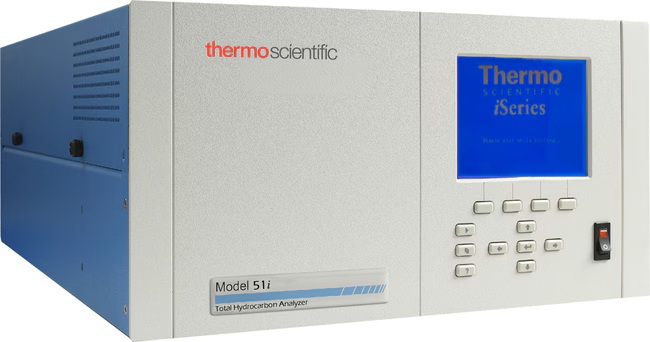
Measure total hydrocarbons in emissions from a source using the Thermo Scientific™ Model 51i Total Hydrocarbon Analyzer. The Model 51i utilizes Flame Ionization Detector (FID) technology to provide a wide linear range and sensitive detection of organic compounds. Available in both high-temperature and low-temperature versions.
The Model 51i uses a flame ionization detector, or FID, to measure organic gases and vapors. Flame ionization is a well-known and highly efficient technology used in laboratories and industry for many years.
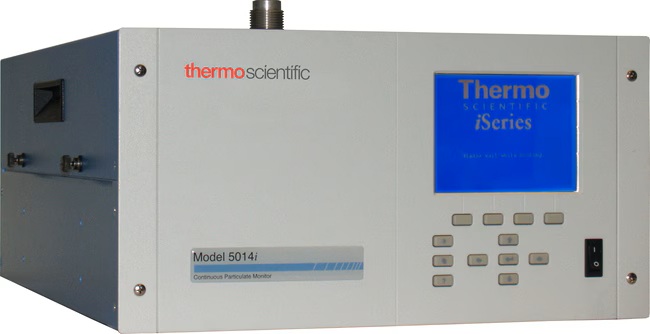
Measure PM-10, PM-2.5 or PM-1 mass concentrations with the Thermo Scientific™ 5014i Beta Continuous Ambient Particulate Monitor. The 5014i distinguishes itself from other beta measurement methods by utilizing a continuous (non-step wise) mass measurement with a proven industry standard which provides for long-term unattended operation. To accurately address potential water bias and volatile loss, the Dynamic Heating System allows the user to hold the sample temperature at a fixed value or below a relative humidity threshold.
View Product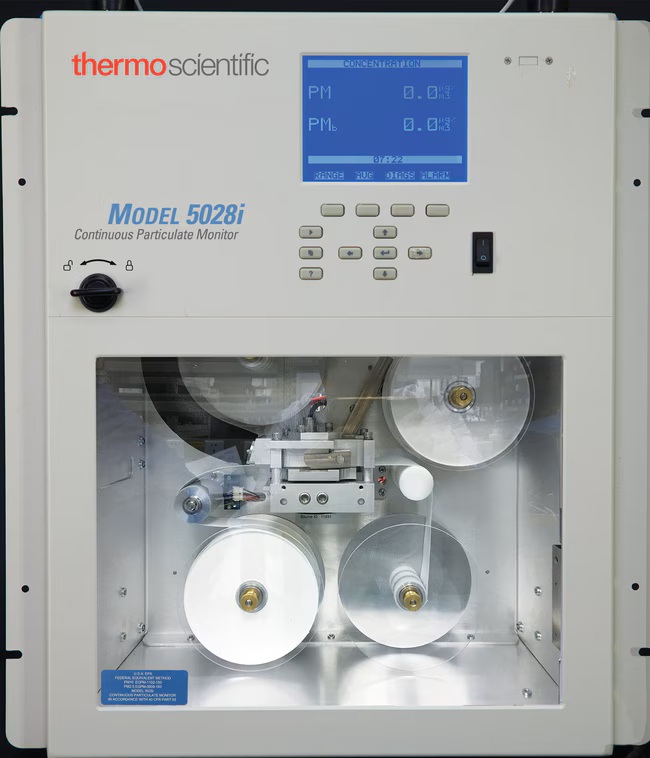
The Thermo Scientific™ Model 5028i Continuous Particulate Monitor combines dual channel sampling technology, beta attenuation analysis and the proven iSeries platform to measure PM-10 and PM-2.5 simultaneously.
View Product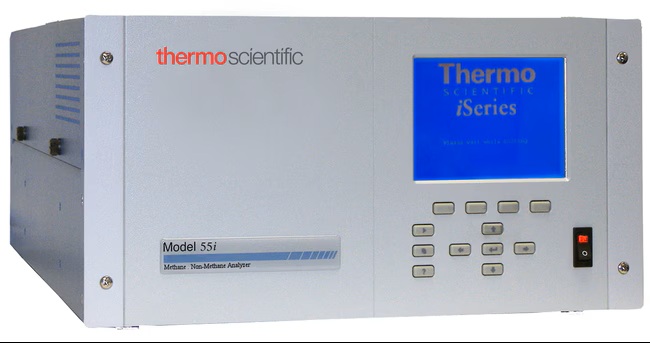
Make automated measurements of methane and non-methane hydrocarbons with the Thermo Scientific™ Direct Methane & Non-Methane Hydrocarbon Analyzer, Model 55i. Unlike instruments that measure only methane and total hydrocarbons, this back-flush gas chromatography (GC) system provides a direct measurement of non-methane concentrations.
Automated batch analyzer repeatedly collects and analyzes small amounts of the sample stream drawn in by the pump. Central to the instrument's operation is an eight-port, two-position rotary valve which is used to introduce the gas sample into the analyzer and to control the flow of gases through the chromatographic column. The proprietary column design is unaffected by the oxygen content of the sample and provides complete recovery of low volatility compounds while achieving absolute separation of methane from all C2 compounds.
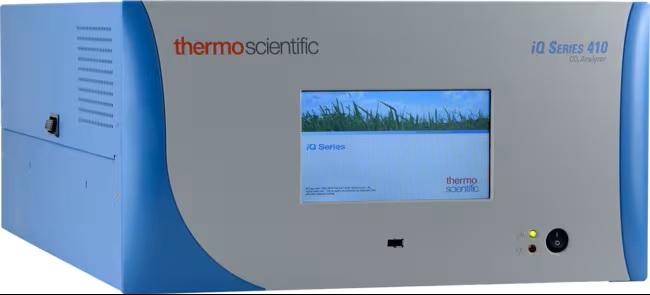
The iQ Series Gas Analyzers are engineered to get smarter over time and help minimize troubleshooting time with a highly precise, yet tough solution. The Thermo Scientific™ 410iQ Carbon Dioxide Gas Analyzer (CO2 analyzer) provides the same level of performance when measuring the concentration of carbon dioxide (CO2) in emissions using advanced NDIR optical filter technology.
View Product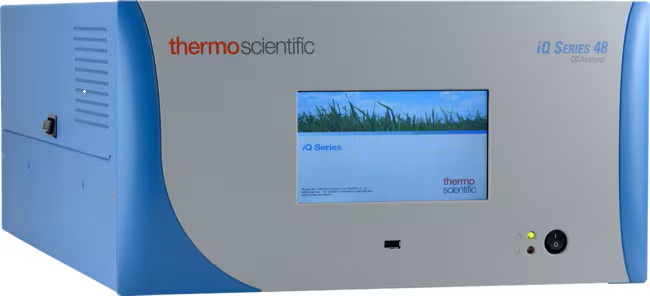
The iQ Series Gas Analyzers are engineered to get smarter over time and help minimize troubleshooting time with a highly precise, yet tough solution. The 48iQ CO monitoring analyzer provides the same level of performance to detect carbon monoxide poisoning when measuring the amount of carbon monoxide (CO) in ambient air using the gas filter correlation technique.
View Product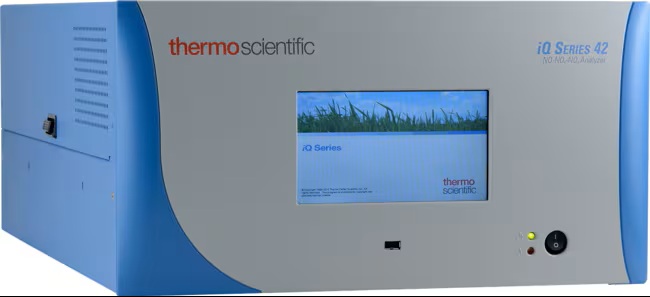
The iQ Series Gas Analyzers are engineered to get smarter over time and help minimize troubleshooting time with a highly precise, yet tough solution. The Thermo Scientific™43iQ Sulfur Dioxide Analyzer provides the same level of performance when measuring sulfur dioxide (SO2) in ambient air up to 100ppm using pulsed fluorescence technology.
View Product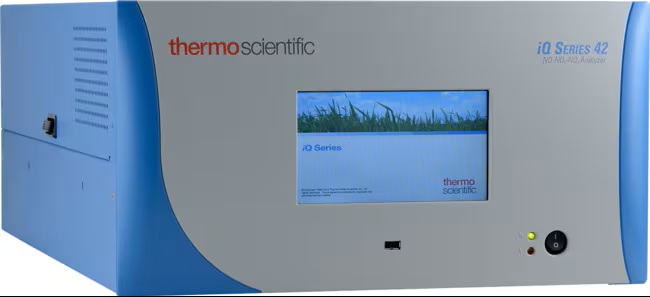
The 42iQ NO-NO2-NOx Analyzer provides the same level of performance when measuring nitrogen oxide in emissions from a source using chemiluminescent technology.
View Product
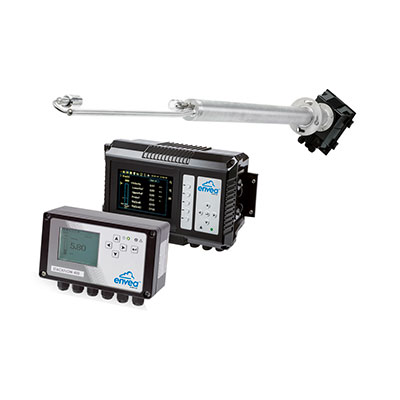
FlueSonic APPROVED FLUE GAS VELOCITY CEM
Approved flue gas velocity CEM for stack velocity, volumetric flow and pollutant mass release calculations when linked to Gas and Dust CEMS
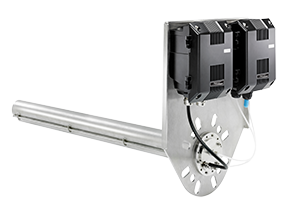
APPROVED FLUE GAS VELOCITY CEM FOR STACK VELOCITY, VOLUMETRIC FLOW AND POLLUTANT MASS RELEASE CALCULATIONS WHEN LINKED TO GAS AND DUST CEMS
Approved Flue Gas Velocity CEM for stack velocity, volumetric flow and pollutant mass release calculations when linked to Gas and Dust CEMS
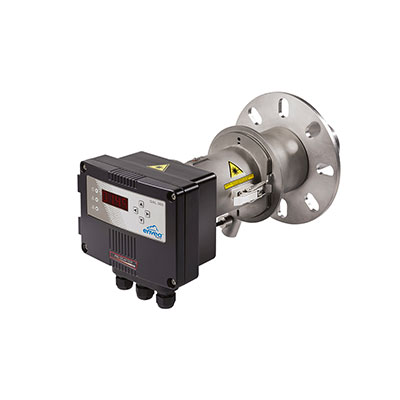
QAL1 Approved Back Scatter Particulate CEMS
TÜV QAL1 and MCERTS Approved, Stand alone or networked system option Particulate CEM providing high quality emission measurement for dust concentrations from industrial processes.
Having a 0–7.5 mg/m3 certification range, the QAL 360 sensor can be used at low or high dust levels meeting the tightened minimum emission limit value of 5 mg/m3 for Large Combustion Plant specified in the Industrial Emissions Directive.
Certified to 7.5 mg/m3
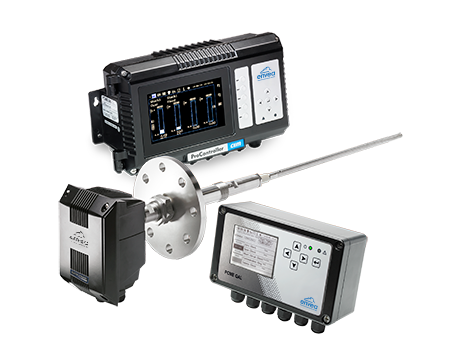
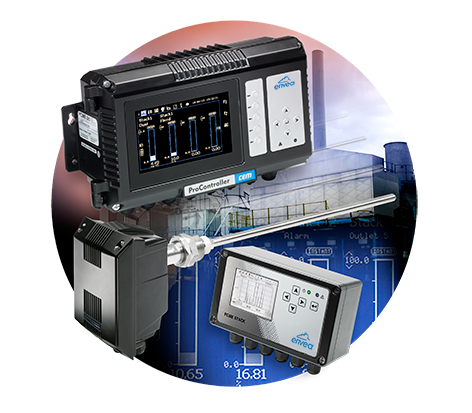
ElectroDynamic Approved Particulate CEM
TÜV approved particulate monitor providing high quality emission measurement for low dust concentrations from dry industrial processes including Baghouses and Cartridge Filters
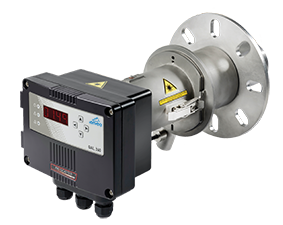
ElectroDynamic Approved Particulate CEM
TÜV approved particulate monitor providing high quality emission measurement for low dust concentrations from dry industrial processes including Baghouses and Cartridge Filters
MCERTS Approved Back Scatter Particulate CEM
The QAL 260 is a high-sensitivity particulate CEM designed for accurate, ultra-low dust emissions monitoring in demanding industrial applications. The QAL 260 is MCERTS certified, QAL1 approved and can be installed as a stand alone or multi-sensor configuration in dry industrial processes.
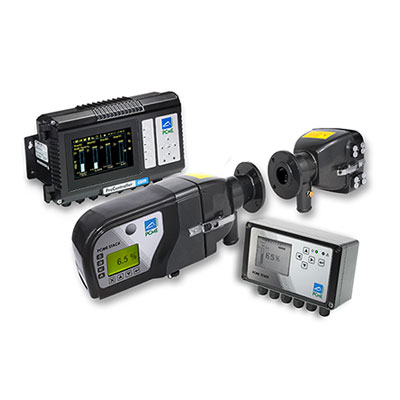
Opacity QAL1 Approved Particulate CEM
QAL1 approved particulate CEM which meets US EPA PS-1 requirements for Opacity monitoring from combustion stacks.
Robust multi corner cube reflector provides truer reflection of transmitted light compared to traditional “mirror type” reflectors providing greater confidence in measurement
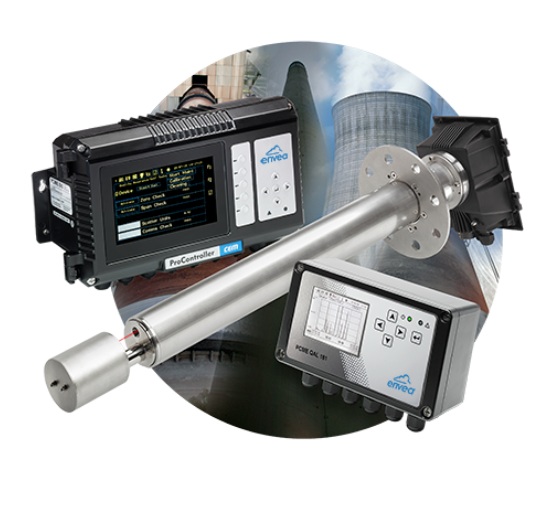
QAL1 Forward Scatter Particulate CEM
The QAL 181 is a high-performance particulate CEM monitor designed for continuous filter leak detection and baghouse performance monitoring in industrial process and emissions applications.
The ProScatter™ particulate CEM provides high quality emission measurement of low dust concentrations in dry industrial processes
The QAL 181 provides a certified range of 0 – 7.5 mg/m3, the lowest achievable for any PM-CEM
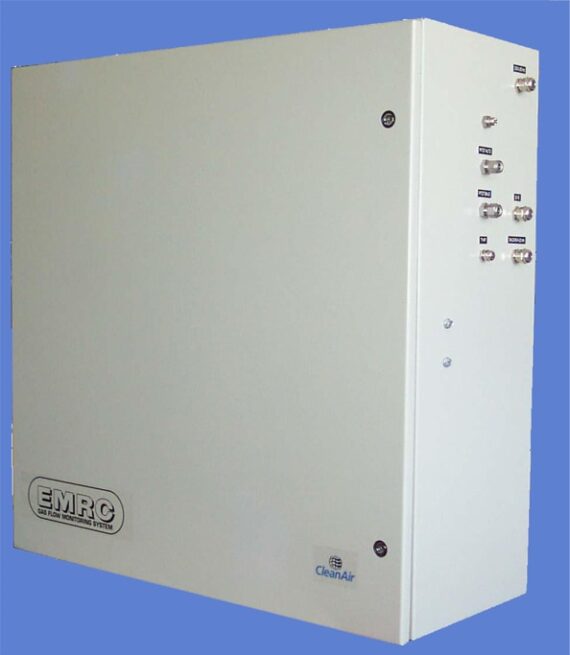
The EMRC Gas Flow Monitor is designed to measure the dynamic pressure of gas flow in a stack. This document outlines the basic measurement principles employed and how the system measures gas flow. The manual also outlines maintenance requirements in an easy-to-access format.
View Product
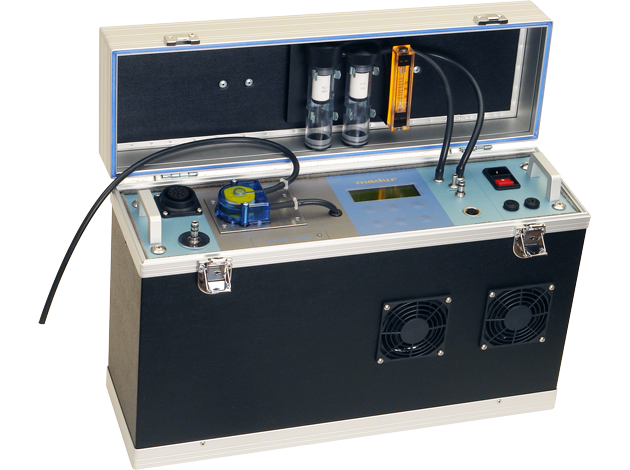
PGD-100 prepares gas sample for the co-operating analyser by removing dust, salts particles and condensate, so the sample is dry and clean.
Using gas conditioner is essential in case of majority measurements with gas analysers.
Gas conditioner unit includes:
Gas probe pipe
Initial heated filter
Heated hose that supplies gas sample to the analyser’s drying module(s)
One or two drying modules
Final filters that cleans the dried gas sample
Gas pump
Condensation pump (only when PGD-100 is equipped with condensation type dryer with Peltier element)
Ventilation valve that provides clean air for cooperating analyser
Drying modules are: Nafion exchanger or condensation based unit.
The dryer receives adjustment settings from the co-operating analyser, and returns own status and errors to the analyser via RS-232 communication interface.
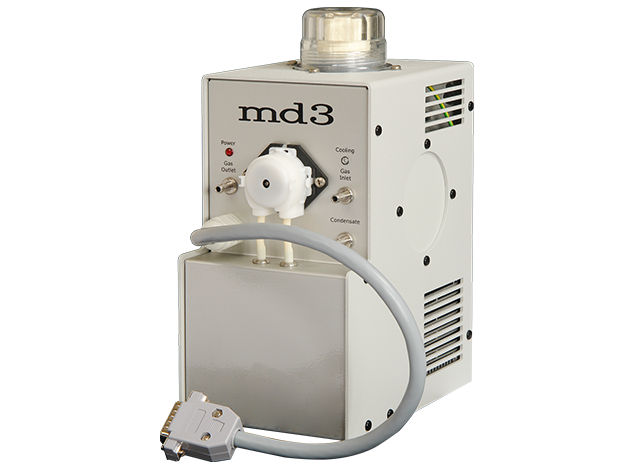
MD3 gas dryer was initially designed to be a part of our stationary maMoS analyser.
Though, thanks to the efficiency, small dimensions, and competitive price, MD3 dryer became interesting alternative and even dedicated solution as a standalone gas conditioner.
Its another strong point - universality, makes it available in two different versions: stationary (hung on the wall), and portable for “laboratory” applications.
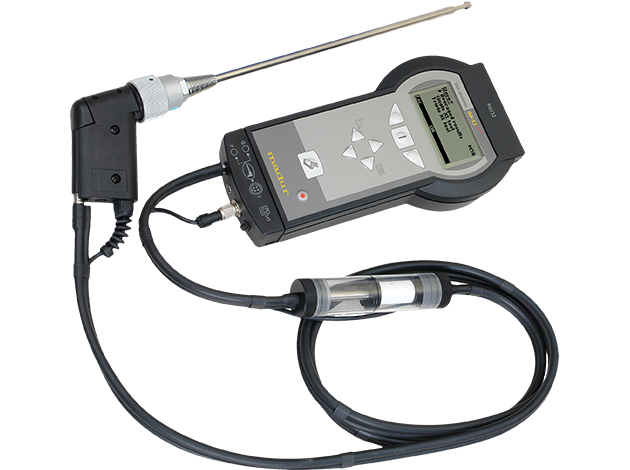
GA-12plus hand-held analyser that can be equipped with up to 4 EC cells.
Larger cousin of GA-12 analyser that share very similar functionality and options.
Thanks to larger housing fits more sensors, is equipped with Li-ion battery by default.
Manufactured according to the principles of EN50379
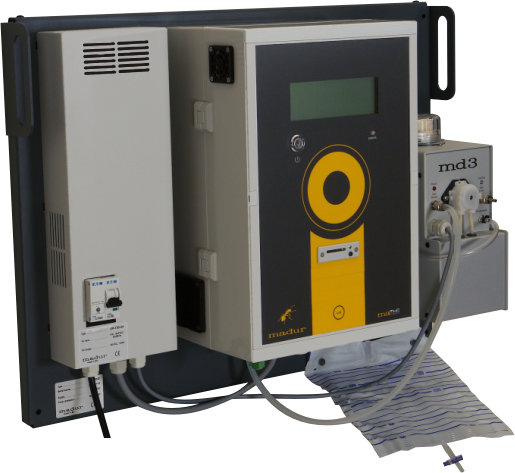
Small in size, yet very skilful analyser – it has the best capabilities/price ratio. maMoS is our alternative for large, intricate CEMS systems, as it does not fall behind them concerning functionality and abilities, and is far ahead in terms of expenses.
It has modular construction, and many add-ons, that makes it easy to adjust to a very specific, individual application.
Powerful PC software allows to adjust many aspects of the work with the analyser very individually (work schedule, analogue outputs' behaviour, data presentations, and more...)

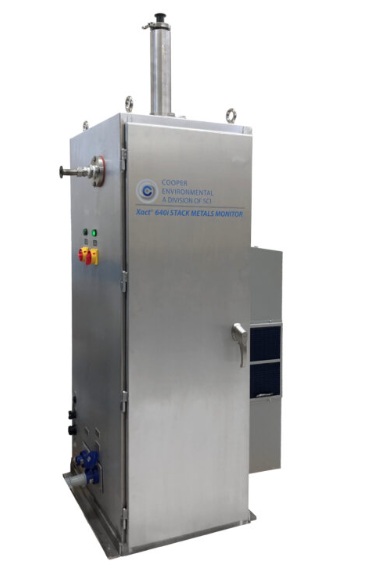
Cooper Environmental’s Xact® 640 is the first Multi-Metals Continuous Emissions Monitor to be proven successful for accurately measuring elemental concentrations in smoke stacks by capturing and measuring both particulate and vapor phase metals.
The Xact® 640 system uses reel-to-reel filter tape sampling and nondestructive X-ray fluorescence (XRF) analysis to monitor stack hazardous air pollutant (HAP) metal emissions. An isokinetic sub-sample of stack gas goes into the stilling chamber and then drawn through a chemically reactive filter tape. Vapor phase metals, including mercury, are deposited along with particulate-phase metals on the filter tape.
In 2007, the US EPA recognized the Xact® CEMS as an outstanding achievement in innovative clean air technology with a clean air excellence Award. In addition, the EPA approved the Xact® 640 as an alternative method for periodic Method 29 testing, feed stream analysis, and monitoring emissions during plant operation.
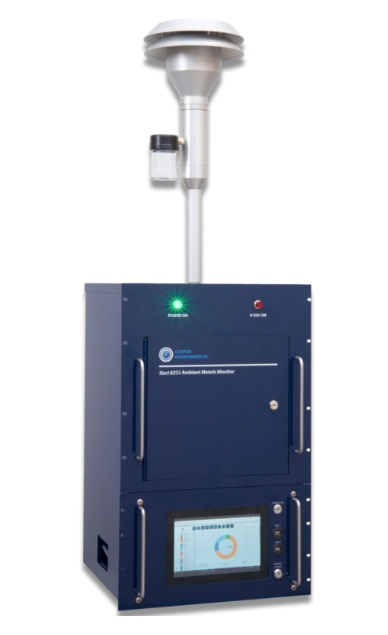
SCI’s Xact® 625i is designed for high time resolution multi-metals monitoring of ambient air, with detection limits that rival those of laboratory analysis. The Xact® 625i comes standard with a solid-state meteorological sensor and SCI’s proprietary ADAPT analysis package, making the instrument one of the most powerful air pollution source detection offerings in the industry.
The system uses reel-to-reel filter tape sampling and nondestructive energy dispersive X-ray fluorescence (EDXRF) analysis. The air is sampled through a low volume (16.7 l/min) particulate matter (PM) size-selective inlet and drawn through a filter tape. The resulting PM deposit is then advanced into the analysis area where the sample is analyzed by EDXRF for selected metals while the next sample is collected.
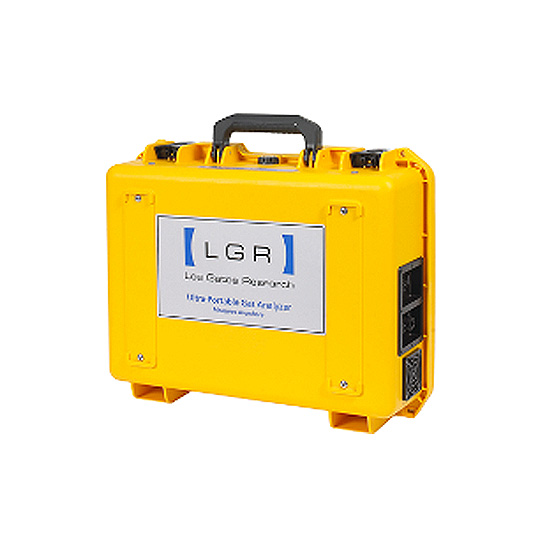
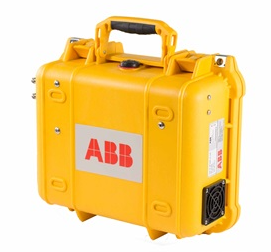
The ABB OA-ICOS gas analyzers build on the heritage and extensive track record of Los Gatos Research analyzers, using patented Off-Axis Integrated Cavity Output Spectroscopy (OA-ICOS) technology, the latest evolution in tunable diode laser absorption spectroscopy.
ABB’s microportable gas analyzer reports measurements of various gases simultaneously in a package that is compact, crushproof and travels anywhere. Small enough to be hand-carried (even on-board aircraft) and requiring less than 35 watts, the Microportable offers opportunities for measurements anywhere.
As with all OA-ICOS analyzers, the Microportable is fast, simple to use and offers the best overall performance, which makes it ideal, but not limited to, field studies such as:
Soil flux measurements
Greenhouse gas monitoring
Natural gas leak detection

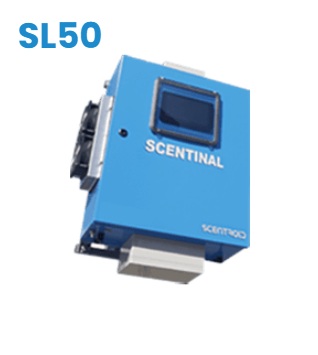
Scentroid’s Scentinal offers a completely customizable solution with many unique features, including self-cleaning, multiple sampling ports, and self-configuration capabilities for plug-and-play installation. Additionally, it provides time-synchronized readings, alarm notifications, and powerful air conditioning and heating systems. Moreover, Scentinal includes solar-powered modules and more, ensuring a comprehensive approach to air quality monitoring.
View Product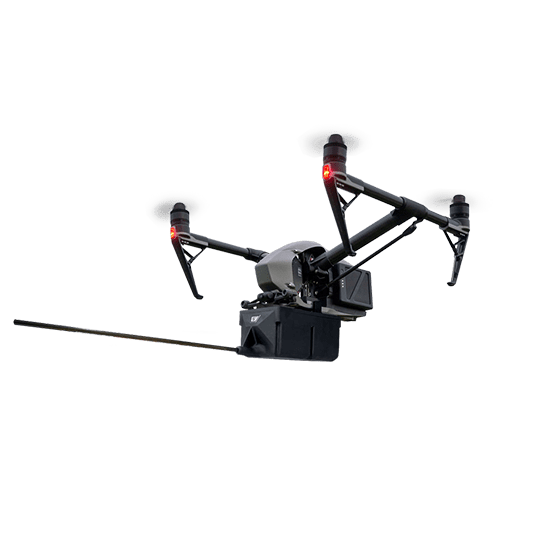
The DR2000 Drone Based Air Quality Monitor provides a robust platform to conduct both impact assessments and air quality measurements for a wide range of applications. This includes the monitoring of: fugitive emissions, flare emissions, leak detection along oil pipe lines, landfill methane, odour emissions, military or emergency applications, urban scanning, and much, much more!
Utilizing the DR2000, operators can not only collect and analyze
valuable data, but the DR 2000 can protect operators from contact with potentially dangerous samples. The DR2000 Flying Lab allows for maintaining a safe distance while acquiring a required air sample for laboratory analysis in real time.
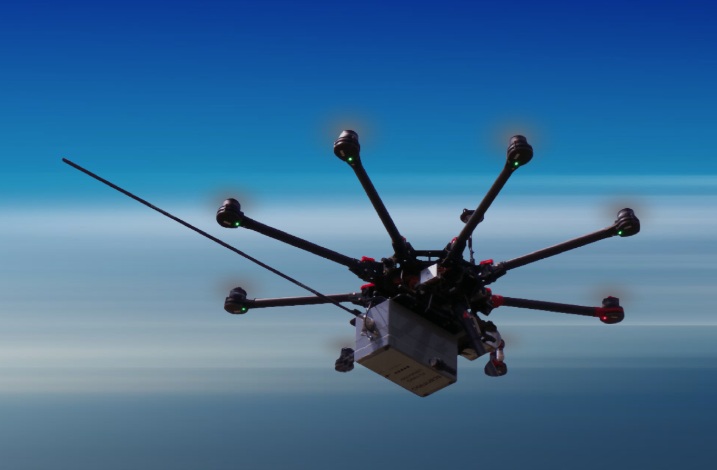
The Drone-Based Weather Station provides a robust platform to conduct both impact assessments and air quality measurements for a wide range of applications. Specifically, this includes the monitoring of fugitive emissions, flare emissions, and leak detection along oil pipelines. Additionally, it supports landfill methane detection, odour emissions, military or emergency applications, urban scanning, and much, much more! As a result, its versatility makes it an invaluable tool for various industries and scenarios.
Utilizing the DR1000 air analyzer, operators can not only collect and analyze valuable data, but they can also protect themselves from contact with potentially dangerous samples. Moreover, the DR1000 Flying Lab enables operators to maintain a safe distance while acquiring the necessary air sample for laboratory analysis in real time. Consequently, this advanced technology enhances both safety and efficiency in air quality monitoring.

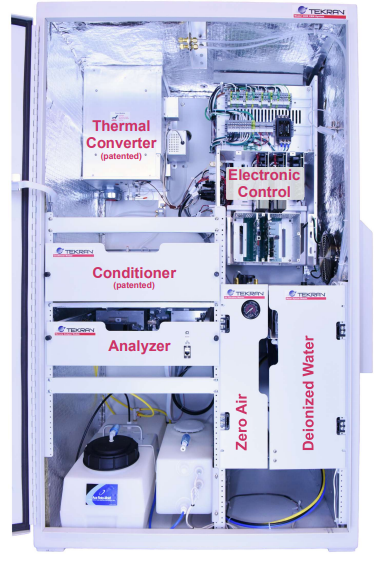
The Series 3400 is designed to measure total gaseous mercury emissions, with optional components to measure total, elemental and ionic mercury in virtually any combustion source, with NIST traceability. The system is sensitive enough to measure levels at any coal fired power plant and is immune to the interferences that plague conventional mercury CEMs.
Key Features:
Designed for simple and efficient installation and startup
Tekran 3400 system holds TUV Nord QAL1 Certification
Multiple configurations available for mercury speciation, research, control technology evaluation, process and compliance monitoring
Direct access using component slide-out feature for maintenance activities
Robust firmware driven operation and user interface with advanced user interface through PC and terminal program
Cabinet rated for IP40 (indoor) or upgradable to IP56 (outdoor) with temperature control option for installation in harsh conditions
Proven performance for over 20 years, based on the patented thermal converter, conditioner, dual-gold cartridges and CVAFS detection
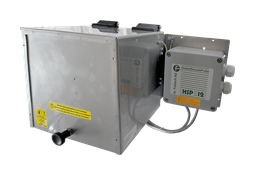
extractive gas sampling
probe with isolation and outlet filter
self-regulating by heating elements
under temperature alarm
low maintenance costs
optional back-purging
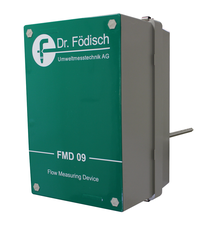
The use of the measuring principle of dynamic pressure
and PT100 assures a device which is easy in design
and operating as well as the realtime monitoring of the
measuring parameters.
The operating and display unit is integrated in the
weather protection casing. On the high‑quality display
all measuring values, status information and parame
ters are displayed.
Optionally, the absolute pressure at the measuring
point can be measured continuously by an absolute
pressure transmitter.
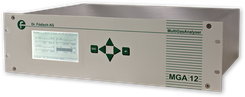
At the analysis of gas concentrations by the MGA 12 HR four different measuring methods are
applied:
- Infrared absorption
- Electrochemical cell
- Paramagnetic measuring method
- Thermal conductivity sensor
By the functional principle of infrared absorption, infrared gas components as CO, CO2, SO2,
NO, NO2 and CH4 can be detected simultaneously. This spectroscopic method is based on the
absorption of non-dispersive infrared radiation. The lessening of the radiation, which is
differing according to the wavelength, is a degree of the respective substance concentration.
For the measurement of O2 or H2S an electrochemical cell is used. The cell consists of a
non-porous fluororesin membrane and a solid integrated gold electrode. By the reduction at
the gold electrode, current is generated and converted to voltage by a thermistor. Thereby the
measured voltage is proportional to the concentration of the measuring gas component.
Contact PT Alfa Pegasus for product information, technical assistance and professional consultation.